
Ontario housing market forecast 2027: what buyers and renewers should do now
Desjardins forecasts a modest Ontario housing rebound in 2027, with existing home sales up nearly 5% and average prices up about 2.4%. Possible Bank of Canada rate hikes are the main test. Here's what the forecast means if you're buying or renewing.
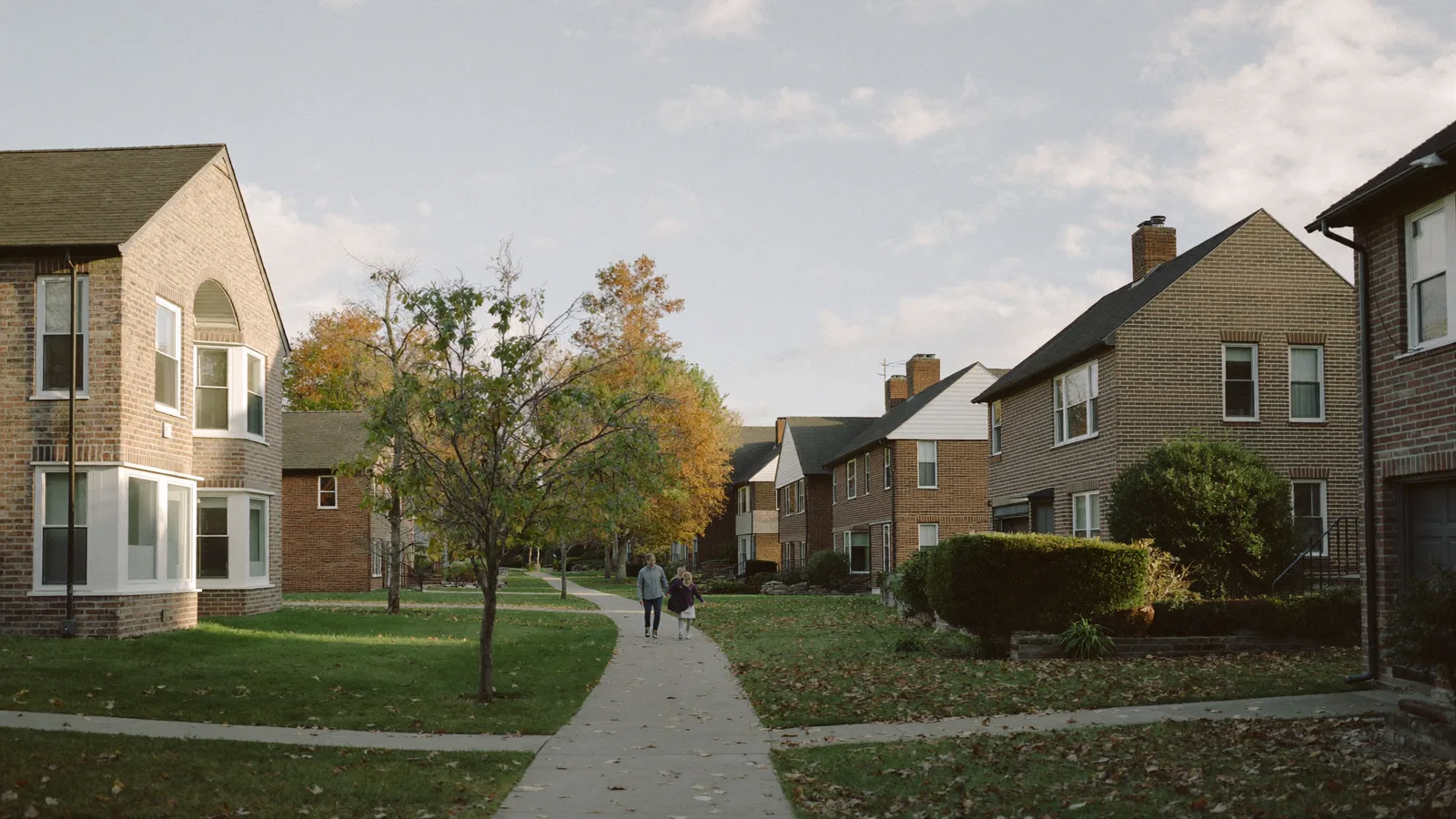
Desjardins forecasts that Ontario existing home sales will rise about 4.7% in 2027 to roughly 167,000, with the average price up about 2.4% to around $825,000. That's a modest recovery, still below long-term norms. The main risk is higher borrowing costs: Desjardins expects two quarter-point Bank of Canada hikes, and fixed rates moved up this fall. Buyers should get pre-approved with a rate hold and budget at higher rates; renewers should start early and compare offers.
Key takeaways
- →The forecast: Desjardins expects Ontario resales to rise about 4.7% in 2027, to around 167,000 units, with average prices up about 2.4% to roughly $825,000.
- →Why a rebound: lower prices, rising incomes, first-time buyer supports and pent-up demand. Activity would still be well below long-term norms.
- →The test: Desjardins expects two quarter-point Bank of Canada hikes, starting as early as October 28. Higher rates could eat into affordability gains.
- →Buyers: prices have come down and choice is wider, but qualify at today's rates and get a rate hold.
- →Renewers: fixed rates moved up this fall with bond yields, so start 4 to 6 months early and compare offers.
Short answer: Desjardins expects a modest recovery in Ontario's housing market in 2027: existing home sales up nearly 5% and average prices up about 2.4% [1][2]. That isn't a boom, and activity would still sit well below long-term norms [1]. The biggest swing factor is interest rates. Desjardins expects the Bank of Canada to raise rates twice, starting as soon as October 28 [1][2]. A hike would raise variable-rate payments; fixed rates follow bond yields, and existing fixed-rate payments don't change until renewal. If you're buying, get pre-approved with a rate hold. If you're renewing, start early and shop.
Forecasts can be wrong, so treat this as context for your planning rather than a reason to rush or wait.
What Desjardins forecasts for Ontario in 2027
| Measure | 2027 forecast | Source |
|---|---|---|
| Existing home sales | About 167,000, up 4.7% | Desjardins via Canadian Mortgage Professional [2] |
| Average price | About $825,000, up 2.4% | Desjardins [1][2] |
| Housing starts | Nearly 65,000, up about 6%; still 30%+ below 2021–22 | Desjardins [1][2] |
| Average rents | Up about 1.4% | Desjardins [1] |
| Bank of Canada | Two quarter-point hikes expected, starting late October | Desjardins [1][2] |
Desjardins senior economist Kari Norman describes a "striking contradiction": a weak market despite improved affordability, more choice for buyers and easier rental conditions [1]. The rebound would be driven by lower prices, rising disposable incomes, policy supports for first-time buyers and some release of pent-up demand [1][2].
Statistics Canada's housing data and CMHC's housing market outlook are good places to compare this view with other forecasts [5][6].
Will Ontario home prices go up in 2027?
Desjardins expects a small rise: about 2.4% on average across the province [1][2]. With inflation running around 3% recently [3], that would be roughly flat or slightly down in real terms. Local markets will differ. The Toronto condo segment remains the biggest drag: only 525 condo units were started in the City of Toronto in the first nine months of 2026, against nearly 14,000 a year over the previous decade [2].
Why interest rates are the key test
Norman notes that rate hikes feed straight into variable-rate mortgages, and that higher bond yields pushed fixed rates up this fall [1]. The Bank of Canada's policy rate has been 2.25% since October 2025, and a growing number of economists expect a hike on October 28 [3][4]. Not everyone agrees: some economists still argue the Bank shouldn't hike, or should move cautiously [2]. Even the hike forecasts describe gradual, quarter-point moves.
Desjardins also flags Canada–U.S. trade tensions and Middle East-driven oil prices as the main risks to its outlook [1].
For the decision itself, read our Bank of Canada October 2026 preview.
What buyers should do now
- Get pre-approved with a rate hold. Holds commonly run about 90 to 120 days depending on the lender, and protect you if rates rise before you buy.
- Qualify at the stress test rate, which for uninsured mortgages is the higher of 5.25% or your contract rate plus 2% [7], and budget for a possible hike on top.
- Use the wider choice. Desjardins notes greater buyer choice [1], which can mean room to negotiate on price and conditions.
- Check first-time buyer supports. Temporary HST relief on eligible new homes and 30-year amortizations for some buyers have widened options [2]; confirm eligibility for your purchase.
- Choose your rate type deliberately. Our fixed vs variable guide covers the trade-off in a rising-rate setting.
What renewers should do now
- Start 4 to 6 months out. FCAC suggests shopping a few months before your term ends rather than waiting for the renewal letter [8].
- Get a renewal or switch hold so a rise in fixed rates doesn't catch you.
- Run your payment at today's rates. If you locked in at pandemic-era lows, expect a higher payment.
- Compare, don't just sign. You can negotiate with your lender and switch if another offer suits you better [8].
From our desk: A forecast of 2.4% price growth isn't a reason to rush or to wait. What matters more for most of our clients is whether the payment works at today's rates, with a cushion for a hike.
Desjardins sees Ontario housing turning a corner in 2027, but slowly, and with interest rates as the test. Plan around the payment you can carry rather than the forecast.
Run the numbers: try our mortgage renewal calculator, and see whether a rate hold before the Oct 28 decision makes sense for you.
This article is for general information only and isn't financial, legal or tax advice. Rates, products and terms change without notice and are available on approved credit (OAC). The rate and terms you qualify for depend on your individual financial situation, including credit, income, property and loan-to-value. "Best rates" means the most suitable options available for your situation, not a guarantee of the lowest rate. Example rates and payments are for illustration only, as of October 2026, and are not an offer. 8Twelve Mortgage arranges mortgages through 65+ lenders and does not lend directly. Licensed across Canada — see our licences.
Forecast figures are Desjardins' projections as reported by Canadian Mortgage Trends and Canadian Mortgage Professional on October 21, 2026, checked October 26, 2026. Forecasts aren't guarantees and local markets vary. Rate-hold terms vary by lender.
Frequently asked questions
Sources
- Ontario housing market set for modest rebound in 2027: Desjardins report (Canadian Press, Oct 21, 2026) - Canadian Mortgage Trends
- Ontario housing recovery faces a rate-hike test in 2027 (Oct 21, 2026) - Canadian Mortgage Professional
- Bank of Canada expected to raise rates next week, some economists say (Oct 21, 2026) - Global News
- Policy interest rate - Bank of Canada
- Housing statistics - Statistics Canada
- Housing Market Outlook - CMHC
- Minimum qualifying rate for uninsured mortgages - OSFI
- Renewing your mortgage - FCAC
Last reviewed on October 26, 2026