
Canada's foreign buyer ban: what happens on January 1, 2027
Canada's ban on foreign buyers of residential property is scheduled to end on January 1, 2027. Here's who it covers today, the exemptions, what could change before the deadline, and what it means if you're buying.
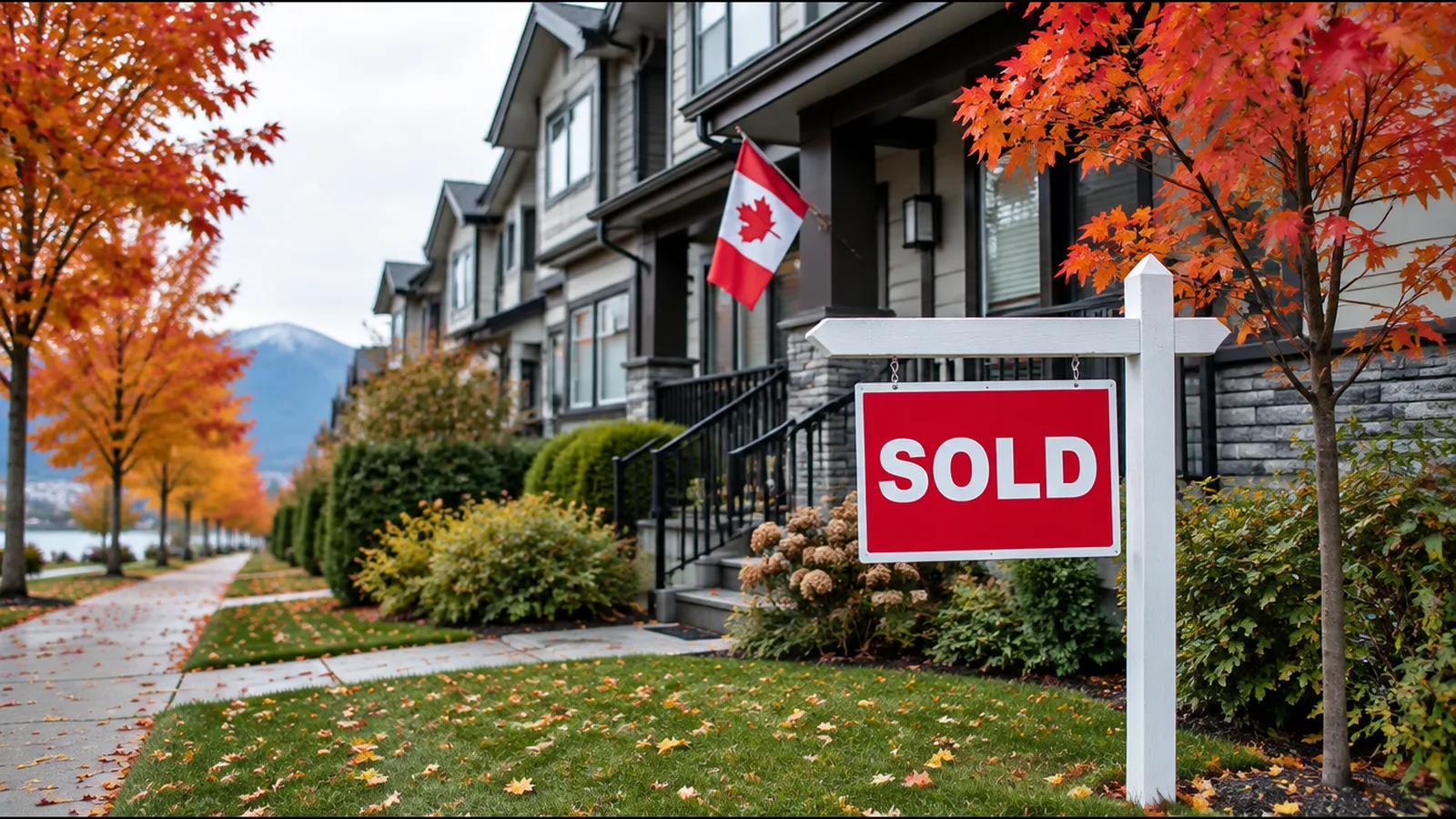
Canada's Prohibition on the Purchase of Residential Property by Non-Canadians Act has been in force since January 1, 2023, and the federal government extended it to January 1, 2027. Until then, most people who aren't Canadian citizens, permanent residents or registered under the Indian Act can't buy a home in Canada's cities and their surrounding areas. There are exemptions, including for many work-permit holders, some international students, refugees and spouses of Canadians. Ottawa has not announced whether it will let the ban end, extend it or change it. Some economists want new-build homes opened to foreign buyers. If you're a non-resident thinking of buying, get legal advice and keep an eye on announcements before you sign anything.
Key takeaways
- →The ban is scheduled to end on January 1, 2027. It started January 1, 2023, and was extended by two years in 2024.
- →Who it covers: individuals who aren't Canadian citizens, permanent residents or registered under the Indian Act, plus foreign-controlled corporations.
- →Exemptions exist for many work-permit holders, some international students, refugees and protected persons, diplomats, and spouses or partners buying with a Canadian.
- →It only applies in cities and their surrounding areas (census metropolitan areas and census agglomerations). Recreational and rural properties outside them are not covered.
- →Nothing is decided yet. Ottawa could let it lapse, extend it or change it. National Bank's chief economist expects a revision, possibly to allow new-build purchases.
Short answer: Canada's foreign buyer ban is scheduled to end on January 1, 2027 [1][2]. Until then, most non-Canadians can't buy a home in or around Canada's cities, though there are important exemptions [3][4]. As of October 21, 2026, the federal government has not said whether it will let the ban expire, extend it again or revise it. If you're a non-resident wondering can non-residents buy a home in Canada, the honest answer today is: usually not in urban areas, unless you fit an exemption, and the rules may change in about ten weeks.
Update (to be added when Ottawa acts): We'll update this section as soon as the federal government announces whether the ban will end, be extended or be changed on January 1, 2027.
What the foreign buyer ban is
The Prohibition on the Purchase of Residential Property by Non-Canadians Act came into force on January 1, 2023 [1]. It makes it illegal for a non-Canadian to buy residential property in Canada, directly or indirectly, unless an exemption applies [1]. The original law was designed to last two years. In February 2024, the Department of Finance announced a two-year extension to January 1, 2027 [2].
A buyer who breaks the rule, and anyone who knowingly helps them, can face a fine of up to $10,000, and a court can order the property sold [1].
Who is affected
Under the Act, a "non-Canadian" includes [1]:
- An individual who is not a Canadian citizen, a permanent resident or a person registered under the Indian Act
- A corporation incorporated outside Canada
- A Canadian corporation that is not publicly listed in Canada and is controlled by non-Canadians. The regulations set control at 10% or more of the equity value or voting rights [3]
The ban covers houses with up to three units, semi-detached homes, rowhouses and condo units [1]. It applies only to property inside a census metropolitan area or census agglomeration, which are Statistics Canada's definitions of cities and their surrounding commuter areas [3]. Property outside those areas, such as many cottages and rural homes, is exempt [3][4].
Current exemptions
| Who or what | Main conditions |
|---|---|
| Temporary workers | Valid work permit or authorization with at least 183 days remaining on the purchase date; can't have bought another home under the ban [3][4] |
| International students | Enrolled at a designated learning institution; tax returns filed for each of the 5 previous years; in Canada at least 244 days in each of those years; price of $500,000 or less; only one home [4] |
| Refugees and protected persons | Granted refugee protection, or a claim found eligible and referred to the Refugee Protection Division [1][4] |
| People given safe haven | Temporary residents admitted on public-policy grounds to provide a safe haven from conflict [4] |
| Diplomats and consular staff | Passport with a valid acceptance from Canada's Chief of Protocol [3][4] |
| Spouses and partners | Buying jointly with a spouse or common-law partner who is a citizen, permanent resident, registered Indian or exempt non-Canadian [1][4] |
| Development | Buying residential property for the purpose of development [3][4] |
| Not a purchase | Acquiring a home through death, divorce, separation or a gift; renting a home; a lender enforcing its security [3] |
Source: the Act, its Regulations and CMHC's guide [1][3][4]. Conditions are summarized; check the regulations or speak to a lawyer for your situation.
Permanent residents are not affected at all. If you've become a permanent resident, you can buy and finance a home the same way a citizen can.
Newcomer or permanent resident? A licensed 8Twelve agent can walk you through down payment, credit and income rules across 65+ lenders, at no cost to you, OAC. See newcomer mortgages
What happens on January 1, 2027
The law that created the ban also contains a section that repeals it, and that repeal is set to take effect on January 1, 2027 under the extension [1][2]. The regulations are tied to the same repeal [3]. So unless Parliament or the government acts before then, the ban ends on that date.
There are three broad possibilities:
| Scenario | What it would mean |
|---|---|
| The ban ends as scheduled | Non-Canadians could buy residential property again, subject to other rules such as provincial taxes and lender requirements |
| Ottawa extends it | The current rules and exemptions would likely carry on for a set period |
| Ottawa revises it | For example, allowing foreign buyers to purchase new-build homes while keeping limits on resale homes |
These are possibilities, not predictions. We'll update this article when a decision is announced.
What could change
Speaking at the Mortgage Professionals Canada conference in Calgary, National Bank of Canada chief economist Stéfane Marion said he expects Ottawa to act before the January 1, 2027 expiry and that any revision should allow foreign nationals to buy new-build homes [5]. He pointed to a high share of unsold new condominiums, which he put at 28% [5]. RE/MAX Canada's president has also said the ban reduced pre-construction investment [5].
Those are views, not policy. The government has not published a decision as of this writing, and it could weigh affordability concerns differently.
Other rules still apply, even if the ban ends
The end of the federal ban would not remove other costs and rules for non-resident buyers:
- Provincial taxes. Some provinces charge extra tax on foreign buyers. For example, Ontario's Non-Resident Speculation Tax of 25% applies to foreign nationals buying residential property anywhere in Ontario [6], and British Columbia has an additional property transfer tax for foreign entities in some areas [7].
- Lender rules. Lenders set their own requirements for non-resident borrowers, often including a larger down payment and proof of income and assets.
What to do if you're a non-resident buyer
- Don't sign before you know the rules. An agreement signed while the ban applies could put you in breach.
- Get legal advice on whether you fit an exemption and which provincial taxes apply.
- Line up financing early. Non-resident and newcomer mortgages differ from lender to lender, so comparing options matters.
- Watch for the announcement. We'll update this page when Ottawa decides.
From our desk: Most of our newcomer clients are already exempt, either as permanent residents or as work-permit holders with enough time left on their permit. It's worth checking before assuming the ban applies to you.
For now, Canada's foreign buyer ban stays in place until January 1, 2027, with meaningful exemptions for workers, students, refugees and spouses of Canadians. What happens next is still open. If a purchase is in your plans, get advice early and compare financing so you're ready whichever way the decision goes.
Newcomer to Canada? See our new-to-Canada mortgage options or try the mortgage affordability calculator.
This article is for general information only and isn't financial, legal or tax advice. Rates, products and terms change without notice and are available on approved credit (OAC). The rate and terms you qualify for depend on your individual financial situation, including credit, income, property and loan-to-value. "Best rates" means the most suitable options available for your situation, not a guarantee of the lowest rate. Example rates and payments are for illustration only, as of October 2026, and are not an offer. 8Twelve Mortgage arranges mortgages through 65+ lenders and does not lend directly. Licensed across Canada — see our licences.
This article summarizes federal rules as of October 21, 2026 and is not legal or immigration advice. Exemptions have detailed conditions; consult a lawyer before buying. We will update this page when the federal government announces its decision on the January 1, 2027 expiry.
Frequently asked questions
Sources
- Prohibition on the Purchase of Residential Property by Non-Canadians Act (S.C. 2022, c. 10, s. 235) - Justice Laws Website
- Government announces two-year extension to ban on foreign ownership of Canadian housing (Feb 4, 2024) - Department of Finance Canada
- Prohibition on the Purchase of Residential Property by Non-Canadians Regulations (SOR/2022-250) - Justice Laws Website
- Prohibition on the Purchase of Residential Property by Non-Canadians Act: exceptions - CMHC
- Foreign homebuyer ban should be revised, says NBC's Marion (Oct 19, 2026) - Canadian Mortgage Professional
- Non-Resident Speculation Tax - Government of Ontario
- Additional property transfer tax for foreign entities - Government of British Columbia
Last reviewed on October 21, 2026